

leave the past where it belongs and find joy in the present.
EMDR Therapy in Phoenix, AZ
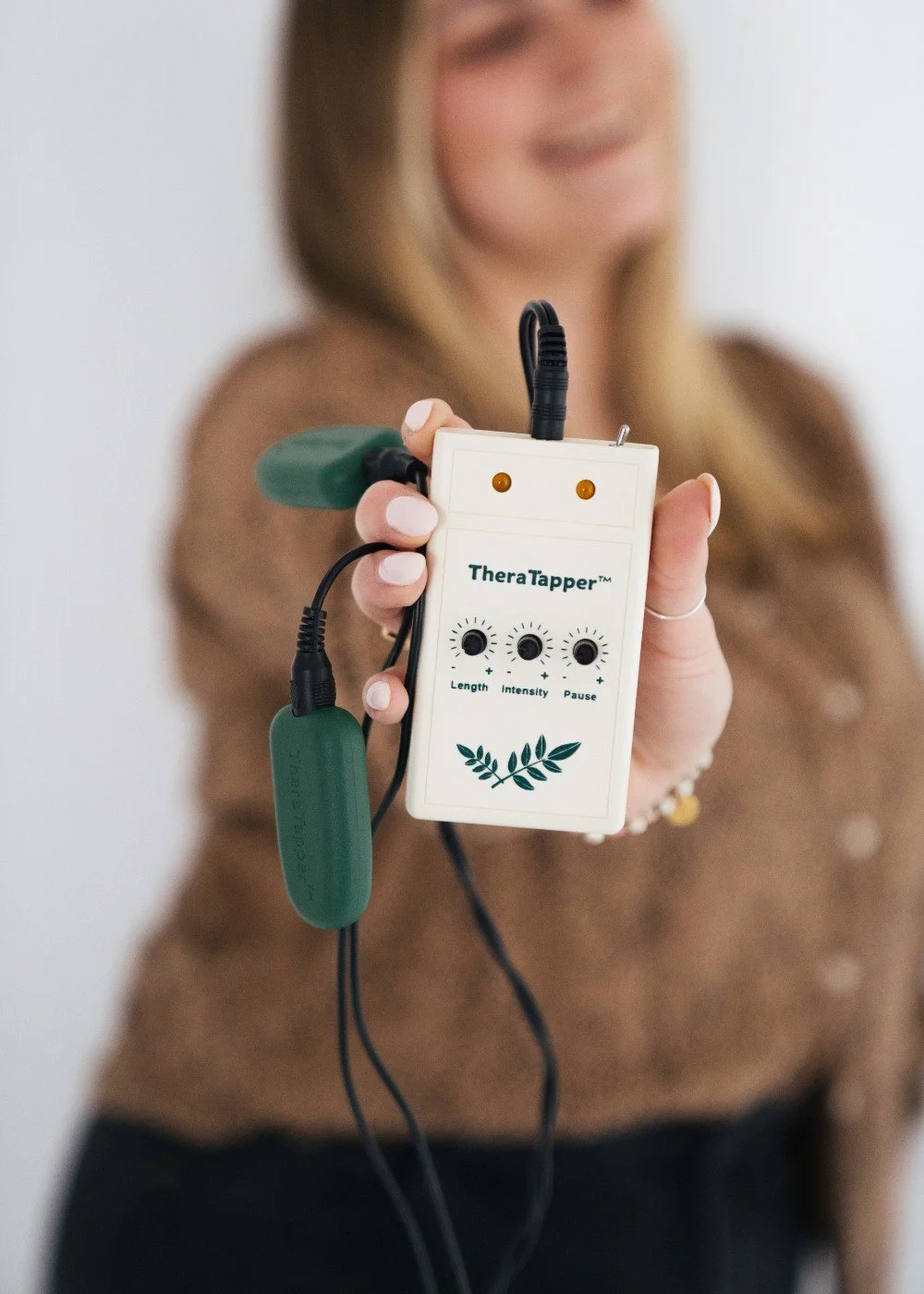
EMDR helps you go beyond insight and process the experiences your nervous system is still holding onto.
You’ve talked about it. You understand it. so why does it still hurt?
EMDR therapy helps you get to the root of the experiences, beliefs, and patterns that keep you feeling stuck—even when you understand exactly where they came from. By helping your brain and body process what happened, EMDR can turn down the emotional charge of the past so you can respond to your life from where you are now, not from what you had to survive then.

time to get serious about healing.
Move beyond managing your symptoms and heal the root.
EMDR relies on your system’s natural ability to heal itself. This means we’re not trying to teach you how to better tolerate the same old shit—we’re helping your brain finally process what’s been keeping you stuck.
The beliefs, triggers, and patterns you struggle with today often make a lot of sense when we understand where they came from. EMDR helps us go back to those roots, process what your system couldn’t fully process then, and make space for something different now.
You already have the capacity to heal. EMDR helps your system finish what it started.
Feel familiar?
You understand why you feel this way, but you still can’t stop it
You’ve talked about it plenty, but it still hurts
Your past still shows up in the present
You know better, but your body isn’t caught up

okay, but how does this actually work?
Here’s some of the science behind EMDR for those who need all the info :)
Eye Movement Desensitization and Reprocessing (EMDR) is an evidence-based psychotherapy developed to help the brain process distressing experiences that haven’t been fully integrated. Rather than focusing only on changing your thoughts or managing symptoms, EMDR works with the memories, emotions, beliefs, and body sensations connected to the experiences underneath them. It’s based on the Adaptive Information Processing (AIP) model, which proposes that many present-day symptoms are connected to memories that were stored in ways that continue to activate the nervous system long after the original experience is over.
During EMDR, we intentionally bring parts of a memory or experience into awareness while using bilateral stimulation—typically guided eye movements or alternating taps. This is thought to support the brain’s natural information-processing system, allowing new associations to form and the memory to become more adaptively integrated. You don’t forget what happened or convince yourself it was okay; the memory simply stops carrying the same emotional charge. Over time, the old beliefs and automatic responses attached to it can shift too, allowing you to remember the past without your mind and body responding as though you’re still there.
When all is said and done, here’s the thing:
You can honor what you’ve been through without carrying it everywhere you go.
What we’ll work on

Imagine a life where…
01you stop living on high alert
You’re no longer constantly bracing for what might go wrong or reading between every line. Your body gets to learn that not everything is an emergency anymore.
02you trust yourself
You stop second-guessing your feelings, needs, and decisions—and start believing that you can handle whatever comes next.
03you feel safe being your authentic self
You don’t have to shrink, perform, or become who someone else needs you to be. You get to take up space as the messy, complicated, fully human version of you.

reclaim your authentic self.
Change is possible. Let’s work toward it together.
Questions?
FAQs
-
EMDR (Eye Movement Desensitization and Reprocessing) is a type of trauma therapy that helps your brain process experiences that still feel unresolved or “stuck.”
Sometimes your brain knows something is over, but your nervous system hasn’t quite received that memo. A memory, interaction, or situation can still bring up the same fear, shame, anxiety, or beliefs about yourself—even when you logically know better.
EMDR uses bilateral stimulation (such as eye movements or alternating tapping) while we work with those experiences. The goal isn’t to erase the memory. It’s to help your brain process it so the past feels more like something that happened to you rather than something your body is still responding to as if it’s happening now.
-
Nope. EMDR does involve intentionally connecting with difficult memories, emotions, beliefs, and body sensations—but the goal is not to make you relive the experience.
A big part of EMDR is helping you stay connected to the present while your brain processes something from the past. We’ll build resources beforehand, go at a pace that feels tolerable, and regularly check in with what you’re experiencing.
Safety is essential with trauma therapy, so we can slow down or stop whenever we need to. You remain in control the entire time.
-
EMDR is probably best known for treating PTSD, but you don’t need to have PTSD—or one huge traumatic event—to benefit from it.
I use EMDR with experiences like childhood and relational trauma, difficult family relationships, attachment wounds, anxiety, people-pleasing, perfectionism, shame, rejection, abandonment, and painful experiences that continue to shape how you see yourself or relate to other people.
Sometimes we’re processing a specific event. Other times, we’re working with years of experiences that taught you things like I’m not good enough, I’m too much, my needs don’t matter, or I have to keep everyone happy to be safe.
-
Annoying therapist answer incoming: It depends.
Some specific, single-event experiences may shift relatively quickly. More complex or long-standing patterns often take more time because we’re working with experiences and beliefs that developed over years.
We’ll decide together what you want to work on, make sure you have the tools and support you need before processing, and regularly check in on how things are changing. Hopefully you notice some relief after just a few sessions!
EMDR isn’t about getting through your trauma as quickly as possible. It’s about helping you process it safely and at a pace your system can handle.
-
We’ll begin with a free 15-minute video call to discuss your current struggles and goals. If it feels like a good fit, we’ll schedule our first intake appointment (50 minutes).